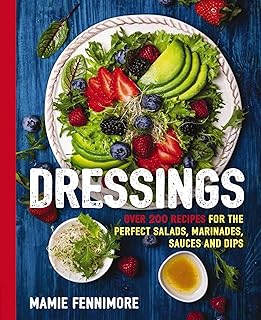
No Preservatives: Simple Homemade Salad Dressings You Need
Are your refrigerator shelves overflowing with forgotten bottles of salad dressing, many of them past their prime and packed with ingredients you can barely pronounce? It’s a common scene in many kitchens, but what if we told you there’s a better, fresher, and infinitely more delicious way to elevate your greens, grains, and even your main courses? The secret lies in the simple, rewarding world of homemade salad dressings.
Ditching store-bought options for DIY versions isn't just about saving money, although it certainly helps. It's about unlocking vibrant, unadulterated flavors, avoiding unnecessary preservatives and additives, and having complete control over what goes into your food. Imagine a world where every salad, every dip, and every marinade bursts with fresh, wholesome goodness. That world is just a whisk or a shake away, and with our insights, you'll soon discover the joy of crafting not just a few, but potentially 42 easy salad dressing recipes and beyond!
Why Homemade Dressings Trump Store-Bought Every Time
The allure of a bottle promising "garden fresh" flavor can be strong, but the reality often falls short. Here's why making your own dressing at home is a game-changer:
- No Preservatives or Unwanted Additives: This is perhaps the biggest draw. Store-bought dressings often rely on a cocktail of preservatives, artificial colors, and excessive sugars or sodium to extend shelf life and enhance flavor. Homemade dressings, by contrast, are made with real, whole ingredients, ensuring you know exactly what you're consuming.
- Unmatched Freshness and Vibrant Flavor: There's simply no comparison to the zing of freshly squeezed lemon juice, the pungency of minced garlic, or the aroma of fresh herbs. These ingredients lose their potency over time, and bottled dressings just can't replicate that 'just-made' taste. Your greens will thank you!
- Cost-Effective & Eco-Friendly: Many homemade dressings use pantry staples you likely already have, saving you money on expensive specialty bottles. Plus, you'll reduce plastic waste, making it a win for your wallet and the planet.
- Complete Customization: Hate cilantro? Love extra garlic? With homemade dressings, you're the chef. Adjust sweetness, acidity, saltiness, and spice levels to perfectly suit your palate or cater to dietary restrictions like vegan, gluten-free, or dairy-free needs.
- Incredibly Versatile: Don't limit these creations to just salads. Homemade dressings double as fantastic marinades for meats and vegetables, dipping sauces for crudités or fries, sandwich spreads, or even flavor boosters for grain bowls and roasted dishes.
The Simple Art of Dressing Creation: Building Blocks for Brilliance
You don't need to be a gourmet chef to whip up incredible dressings. Most recipes follow a basic formula, making it easy to experiment and create your own signature blends. The core components are:
- Fat: This provides richness and helps carry flavors. Good options include extra virgin olive oil, avocado oil, sesame oil, or even plain yogurt or mayonnaise for creamy textures.
- Acid: Essential for brightness and cutting through richness. Think vinegars (red wine, apple cider, balsamic, white wine) or citrus juices (lemon, lime, orange).
- Aromatics & Seasonings: These are the flavor powerhouses. Fresh garlic, shallots, onions, herbs (parsley, dill, oregano, basil, thyme), salt, freshly ground black pepper, and spices (cumin, paprika, chili flakes) are your best friends.
- Emulsifiers & Sweeteners (Optional but Recommended): A dollop of Dijon mustard helps bind oil and vinegar, creating a smooth, cohesive dressing. A touch of honey, maple syrup, or a pinch of sugar can balance acidity.
The simplest method for most vinaigrettes is to combine all ingredients in a jar with a tight-fitting lid and shake vigorously until emulsified. For creamy dressings, a whisk or a blender often works best. The typical ratio for a vinaigrette is 3 parts oil to 1 part acid, but feel free to adjust to your personal preference!
Exploring a World of Flavor: Our Favorite Easy DIY Dressings
From tangy vinaigrettes to rich, creamy concoctions, the possibilities are virtually endless. Here's a taste of the incredible variety you can create with minimal effort:
Zesty Vinaigrettes: Bright & Tangy
- Classic Italian Dressing: Forget the cloyingly sweet bottled versions. A homemade Italian dressing combines olive oil, red wine vinegar, minced garlic, dried oregano, basil, and a pinch of salt and pepper. It's incredibly versatile—drizzle it on a green salad, use it to marinate grilled vegetables, toss it with cold pasta for a vibrant salad, or even brush it on sandwiches.
- Mediterranean Greek Dressing: Elevate any salad with this bright, herbaceous dressing. Olive oil, red wine vinegar, lemon juice, garlic, and dried oregano shaken together create a zippy flavor perfect for a traditional Greek salad, quinoa bowls, or as a marinade for chicken.
- Microwaved Shallot Vinaigrette: This Parisian-inspired dressing sounds fancy but is remarkably easy. Sautéing shallots to soften their pungency and deepen their flavor can be time-consuming. Instead, microwave sliced shallots in olive oil for a couple of minutes until tender, then whisk them with Dijon mustard, red wine vinegar, salt, and pepper. It's a game-changer for sophisticated salads.
- Nutty Sesame Dressing: Lightly creamy with an irresistible nutty flavor, sesame dressing is a go-to for Asian-inspired dishes. Combine sesame oil, rice vinegar, soy sauce, a touch of honey or maple syrup, and minced garlic and ginger. It's fantastic on coleslaw, noodle salads, rice bowls, and even as a light marinade.
Creamy & Indulgent: Rich & Flavorful
- Green Goddess Dressing: Transport yourself back to the 70s and 80s with this iconic, herb-packed dressing. Purée a generous amount of fresh herbs (parsley, tarragon, chives, thyme) with mayonnaise, sour cream, lemon juice, garlic, and a hint of anchovy paste for umami depth. It's divine drizzled over salads or served as a dip with crudités.
- Robust Blue Cheese Dressing: Many bottled blue cheese dressings miss the mark on flavor. Your homemade version, however, will be creamier, zingier, and packed with the wonderful, pungent flavor of real blue cheese. Crumbled blue cheese, mayonnaise, sour cream or buttermilk, lemon juice, and a dash of Worcestershire sauce create an unforgettable dressing for a wedge salad or buffalo wings.
- Vibrant Avocado Lime Dressing: This vegan, dairy-free, and gluten-free delight is perfect for zesting up summer salads, grilled corn, or tacos. Simply blend ripe avocado, avocado oil (or olive oil), fresh lime juice, cilantro, garlic, and a pinch of salt until smooth and creamy. It’s incredibly fresh and satisfying.
- Zesty Reuben-Inspired Dressing: While famous for a sandwich spread, this dressing also makes a phenomenal dip for veggies and fries, and a surprisingly tasty salad dressing. Combine mayonnaise, ketchup, sweet pickle relish, and a touch of horseradish for a creamy, tangy, and slightly spicy condiment that gets even better after a day in the fridge.
Practical Tips for Dressing Success and Storage
To ensure your homemade dressings are always a hit, keep these tips in mind:
- Taste and Adjust: Always taste your dressing before serving. A little more salt, a squeeze of lemon, or a touch of honey can make all the difference. Balance is key!
- Emulsify Properly: For vinaigrettes, shaking vigorously in a sealed jar or slowly whisking the oil into the acid helps create a stable emulsion. For creamy dressings, a blender or food processor ensures a smooth texture.
- Fresh Ingredients Matter: Use the freshest herbs and garlic you can find. Their vibrant flavors are what make homemade dressings shine.
- Storage: Store homemade dressings in an airtight container (like a glass jar) in the refrigerator. Most oil and vinegar-based dressings will last for 1-2 weeks. Creamy dressings with fresh ingredients like avocado or dairy might last 3-7 days. Always give it a good shake before serving!
- Beyond the Salad Bowl: Remember, these creations are incredibly versatile. Don't hesitate to use your Italian dressing as a marinade for chicken, your Greek dressing on roasted potatoes, or your sesame dressing for a tofu stir-fry.
Embracing homemade salad dressings is a simple yet profound step towards healthier eating and more flavorful meals. By choosing fresh ingredients and avoiding preservatives, you take control of your culinary creations. With these tips and a world of easy DIY dressings at your fingertips, you'll never look at a bottle of store-bought dressing the same way again. So, grab your whisk, a few pantry staples, and start enjoying the fresh, vibrant difference today!
